Window film is not one product. It is a family of films that do different jobs on the same piece of glass, and choosing the wrong one is why some people are disappointed. Here is the map.
1. Ceramic automotive film
The car product. It rejects infrared heat at every shade, blocks over 99% of UV, will not fade purple, and does not interfere with GPS or phone signal. This is the only automotive film we install. Two front windows $99, sedan or coupe $179, SUV $199, van $239.
2. Solar control film for homes and offices
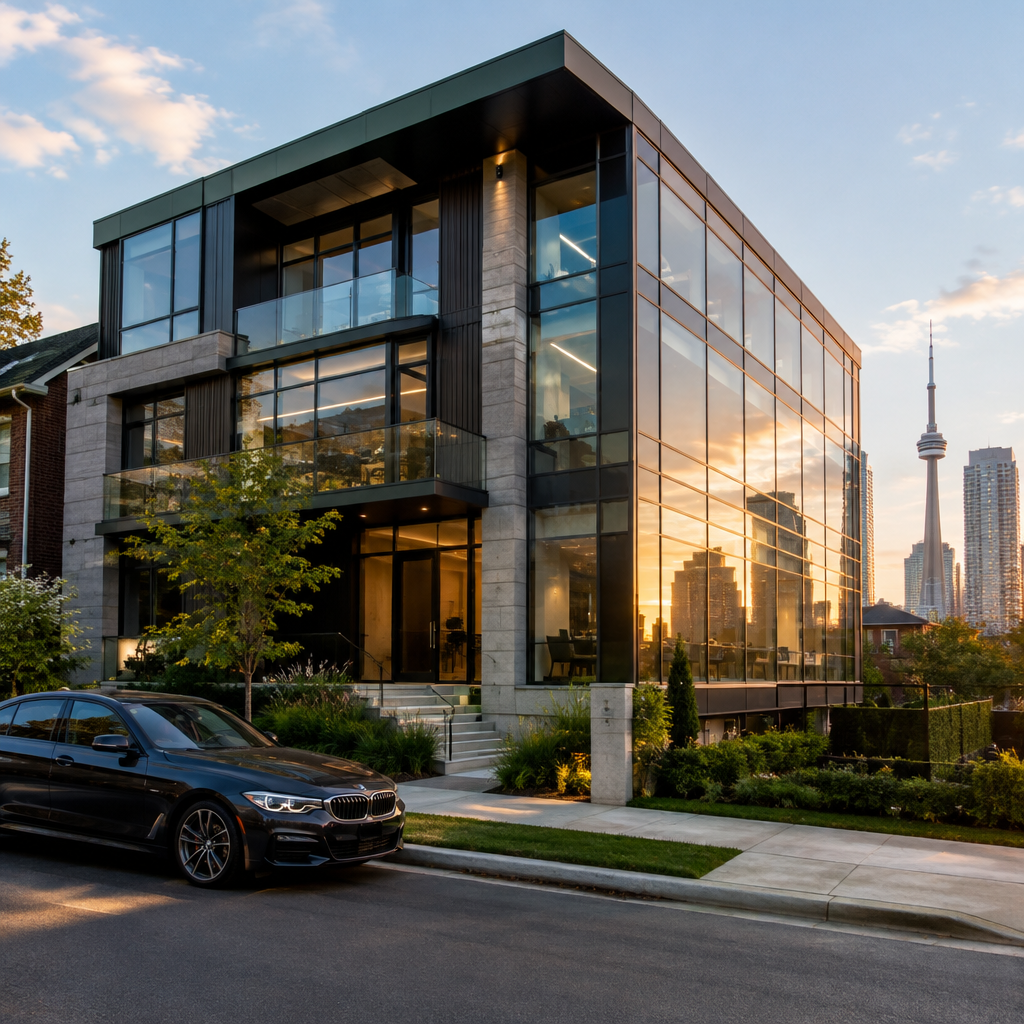
The heat and glare product for buildings. It lowers the amount of solar energy coming through the glass, which keeps west facing rooms and glass walled offices usable in the afternoon. Quoted per project because the glazing and orientation decide the specification.
3. Frost and privacy film
The view blocker. Frosted, gradient and patterned film diffuse light and hide what is behind the glass, without curtains or blinds. Used on bathroom windows, glass partitions, front doors and condo balcony doors. Generally $7 to $10 per square foot installed.
4. UV protection film
Near clear film that cuts UV transmission, which is what fades hardwood, art and upholstery. The practical choice when you want protection but no change in appearance.
5. Security and safety film
Thicker film that holds broken glass in the frame. It slows forced entry and stops the dangerous spray of shards. Common on storefronts, entry doors, schools and ground floor home glass. Quoted per project, and frame attachment matters.
6. Decorative and etched effect film
Frost with a pattern, a band, a logo or a gradient. Popular for conference rooms that need a sightline band rather than full privacy.
7. Film removal
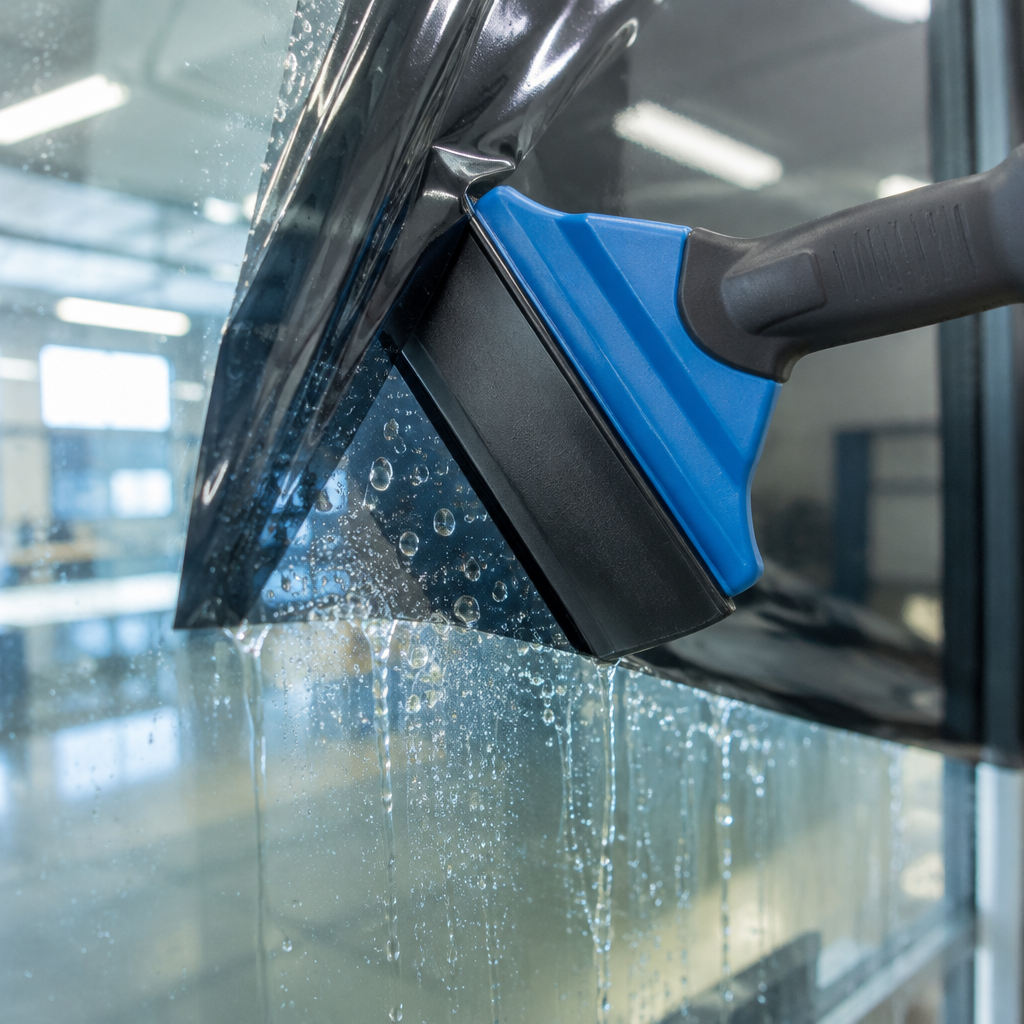
Old, purple, bubbling film comes off. It is a separate job with its own price, and it should always be quoted before new film goes on top.
Where shades fit in
For cars, the two rear doors and rear glass can go as dark as 5% if you want it. The two front doors need the driver visible, so 35% with a clear windshield is what we install most often. Ontario does not publish a percentage, which is why you will read conflicting numbers online.
Not sure which one
Tell us the problem, heat, glare, privacy or safety, and we will name the product.