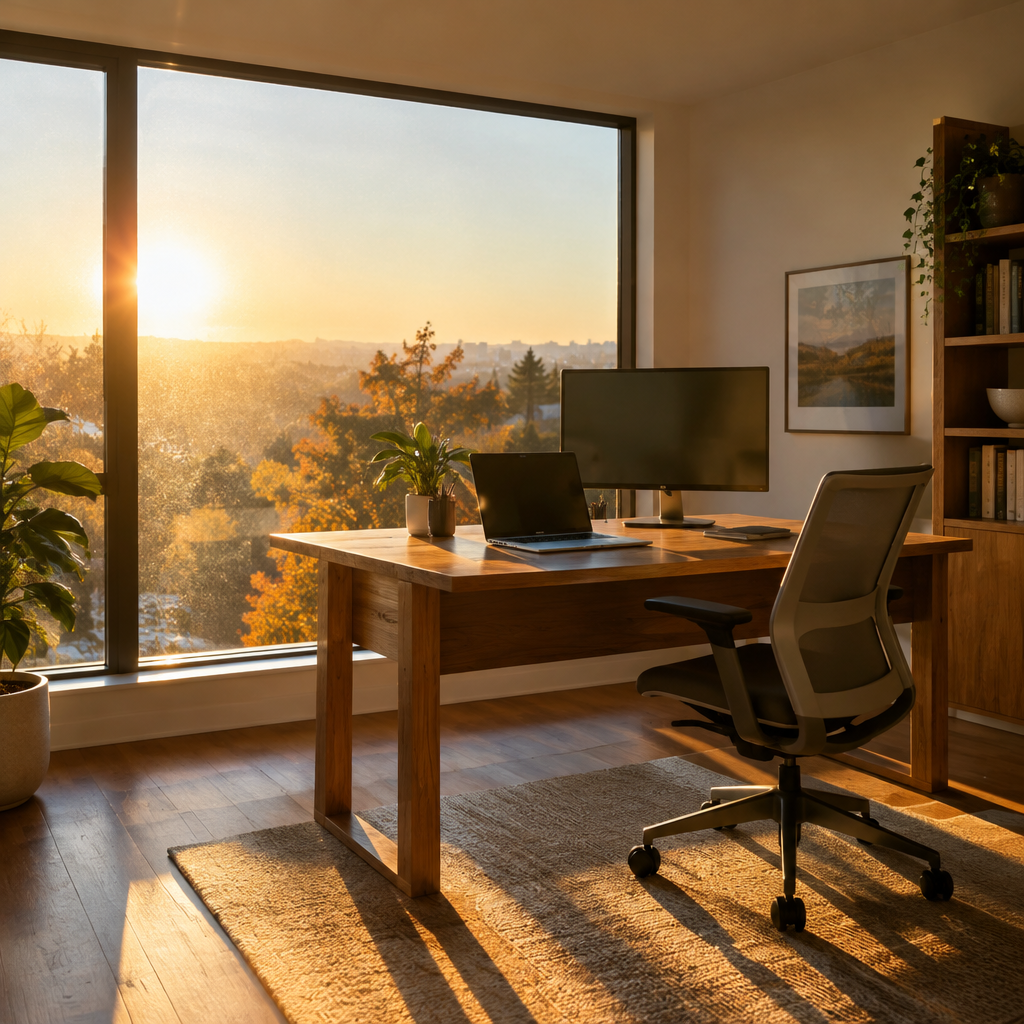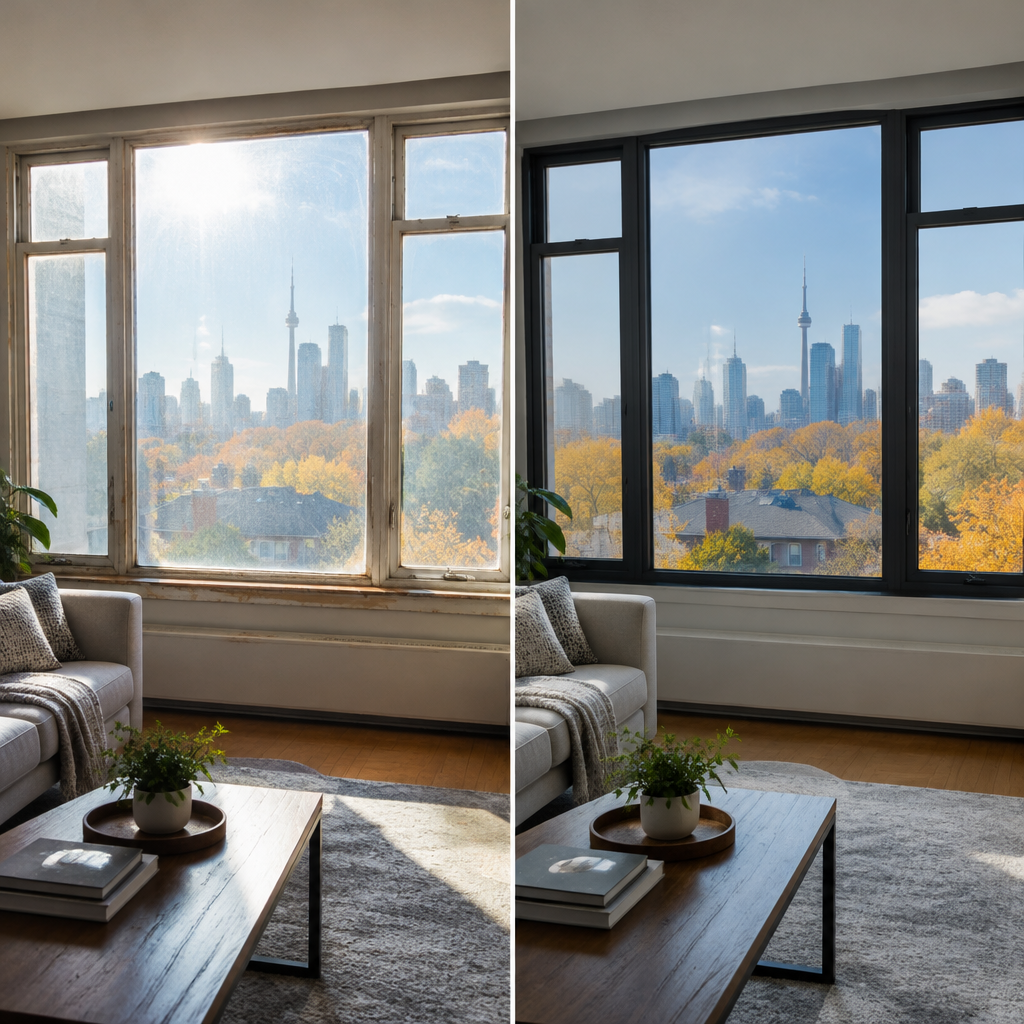
Most people assume window film means a darker room. It does not have to. Clear solar film is built for the opposite brief: block the heat, keep the daylight, and leave the glass looking exactly like glass.
This is what clear solar film does, who it suits, and the one thing it cannot do for you.
What "same look" actually means
Three things decide whether glass still looks normal after filming.
- Visible light transmission. A clear film sits around 70% or higher, close to the glass you already have. A 35% film is a visible choice; a 70% film reads as clear from across the room.
- Reflectivity. Cheap film has a mirror finish that turns your window into a grey wall at night. Clear ceramic film is near zero reflective, so you see through it day and night.
- Colour shift. Good film is colour neutral. The haze you notice on cheap installs is either a dye layer or a bad adhesive, never a property of solar film itself.
How it blocks heat without darkening
Sunlight carries energy in three parts. Visible light you can see, ultraviolet you cannot see and which fades everything, and infrared which you feel as heat. Older film worked by blocking visible light, which is why tint got a reputation for making rooms dim.
Spectrally selective ceramic film separates them. It rejects the infrared and over 99% of the UV, while letting most of the visible spectrum through. In practice that means a room that stays bright and a room that stops overheating, which sounds impossible until you sit in one.
Where clear film makes sense
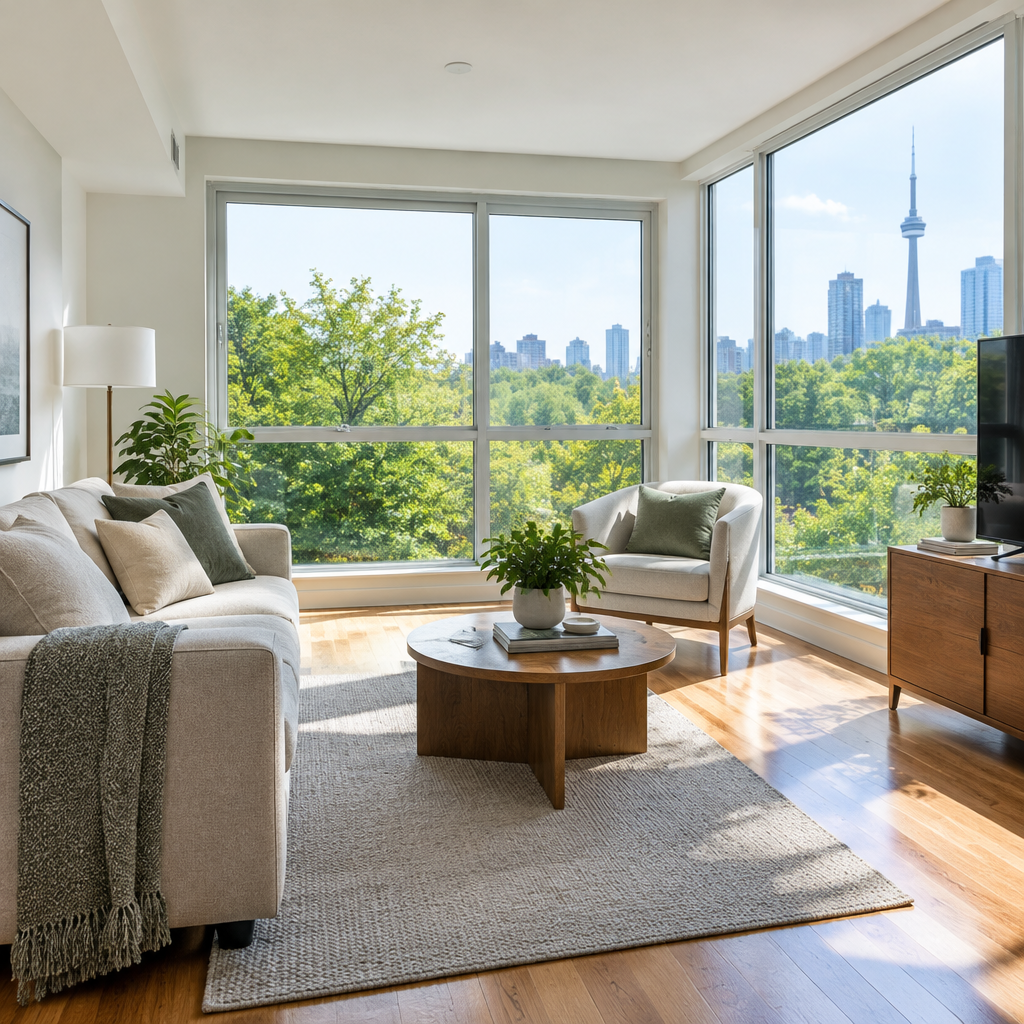
It suits any room where you want the window for a reason. A living room with a ravine or skyline view. A condo wall of glass where the view is the whole point. An office where people need daylight to work and screens to stay legible. A storefront where the product should be visible from the street and the front counter should not bake.
It is the wrong answer in two places. A bedroom that needs darkness, where a room-darkening blind is still the honest solution. And any window where you actually want privacy, because clear film gives you none at night.
Clear film versus privacy film
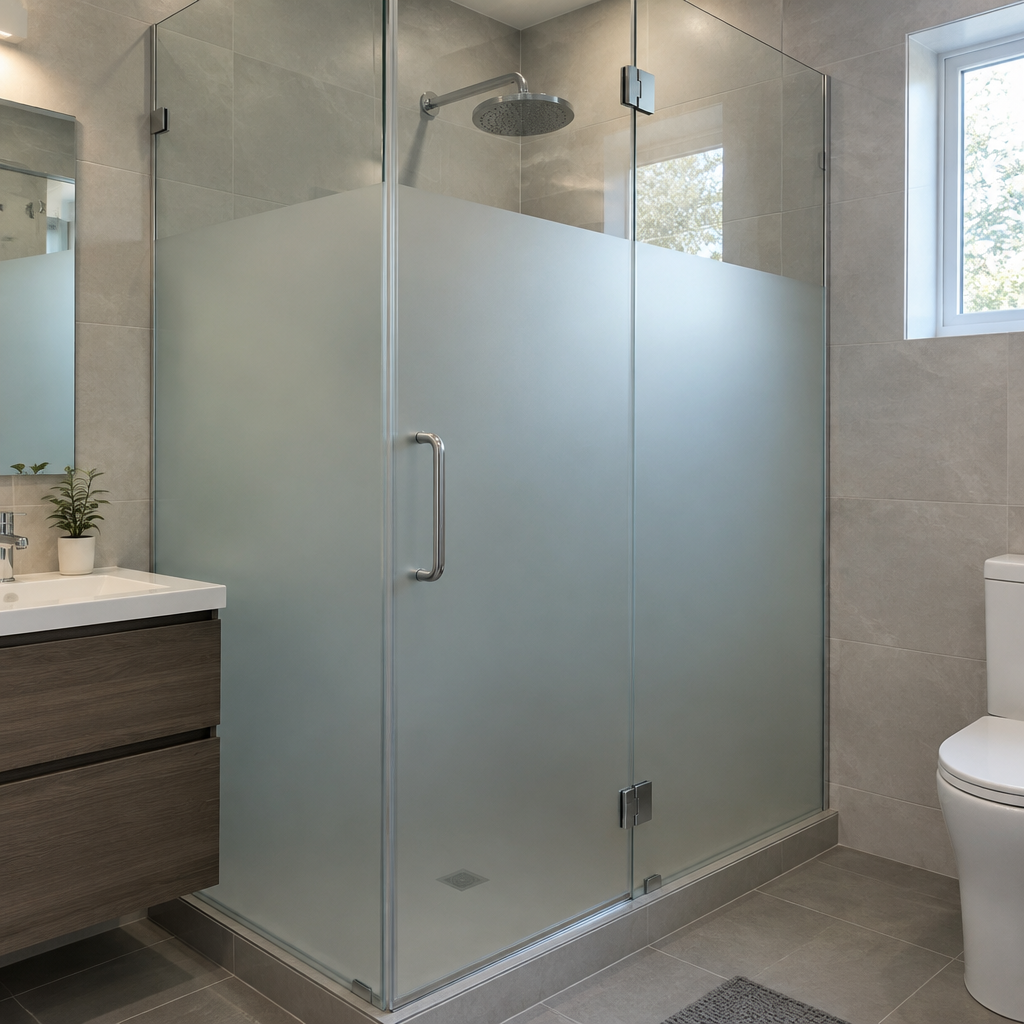
These get confused constantly. Clear solar film is about heat, glare and UV while keeping the view. Frosted or privacy film is about stopping sight lines, and it does that by giving up the view.
Plenty of homes end up with both: clear solar film on the living room glass facing the street, and frost on a bathroom or bedroom window where the neighbour's sight line matters more than the outlook.
What it costs
Frosted and privacy film runs $7 to $10 per square foot. Solar film is quoted per project, because the film has to match the glass type, the number of panes, the sun exposure and the access. A typical main-floor job in Toronto is a half day on site.
Set that against replacing the glass, which is four figures per opening and does nothing about the heat anyway.
The limits, plainly
Clear film cannot make a hot room cool if the problem is a missing return air vent or a dead air conditioner. It cannot give privacy. And on sealed units with certain low-E coatings, the film must be matched to the glass or it can stress the seal, which is why a real installer asks before quoting.
Why the cold months are the easy booking
Solar film is installed indoors on room temperature glass, so the weather outside is irrelevant. The bay is quiet from November to March, scheduling is flexible, and the glass is settled well before the first hot week of June.
Send a photo of the window and we will tell you honestly whether clear film will fix the problem, or whether you are better off with a blind. Call or text 437-331-5379, or use /contact-us. More on residential window film, or commercial window film for storefronts and offices.
Questions we get about clear film
Will I lose my view?
No. Clear solar film is near zero reflective and colour neutral, so the view stays and the heat does not.
Will it look purple in a few years?
Not ceramic film. Purple is what dyed film does when the pigment breaks down under UV.
Does it work in winter?
It is installed year round and it also slows heat loss slightly. The main gain is summer comfort.
Can I put it on tinted or coated glass?
Sometimes, but the film must match the pane. We check the glass type first, because the wrong film on coated units can stress the seal.
Keep the view, lose the heat
Send a photo of the glass and we will tell you whether clear solar film will fix it, or whether a blind is the better answer.