Window film is one product family with three very different jobs: a car cabin that cooks in summer, a living room that overheats behind west glass, and an office where every screen catches glare. Same material, different specification, which is why a specialist quotes each one on its own terms.
Automotive: ceramic, all year
Car film lives against curved glass, expands and contracts with the seasons, and gets touched. Ceramic is the only film we install for cars, because it rejects the most infrared heat, does not fade purple, and does not interfere with GPS, cell signal or keyless entry.
Pricing: $99 for two front windows, $179 for a sedan or coupe, $199 for an SUV, $239 for a van. A full car takes two to three hours in our North York bay, and the film needs three to five days before you roll the windows down.
Residential: heat, glare, privacy, UV
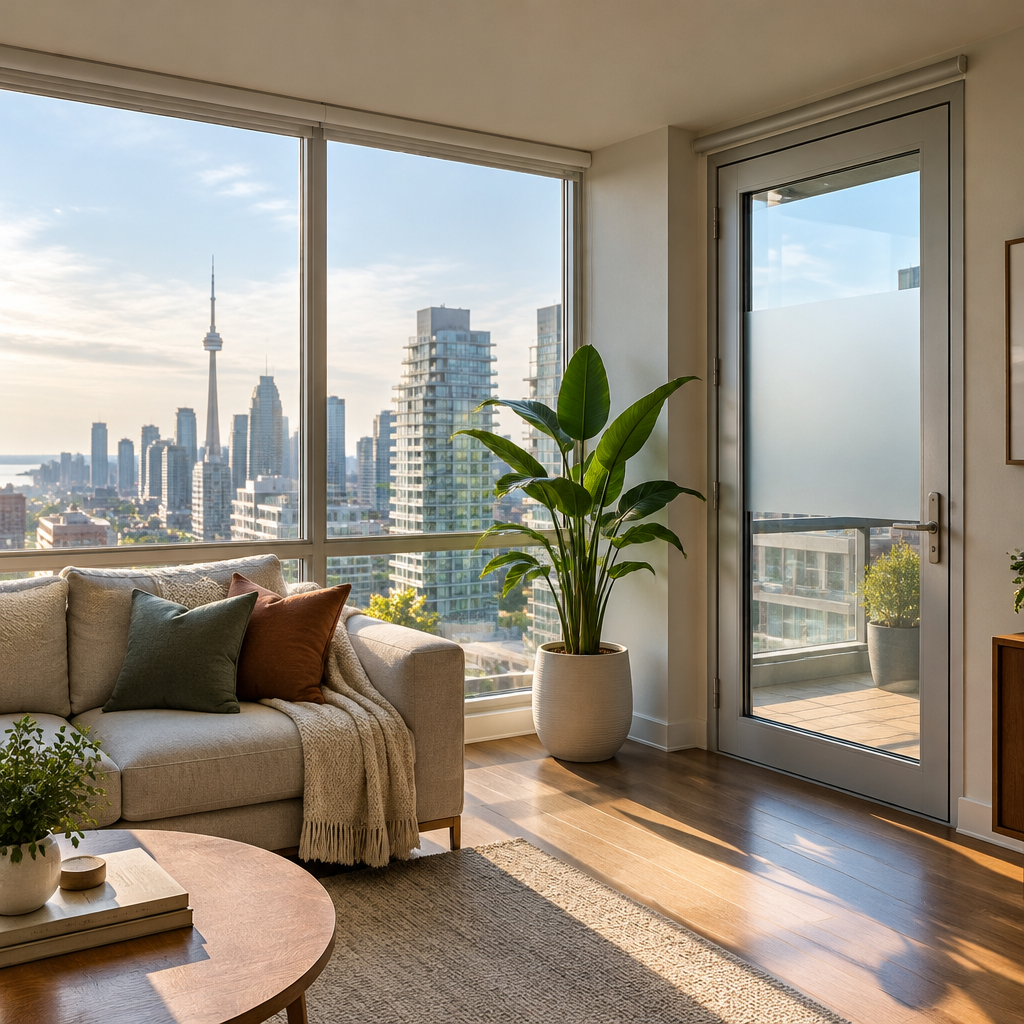
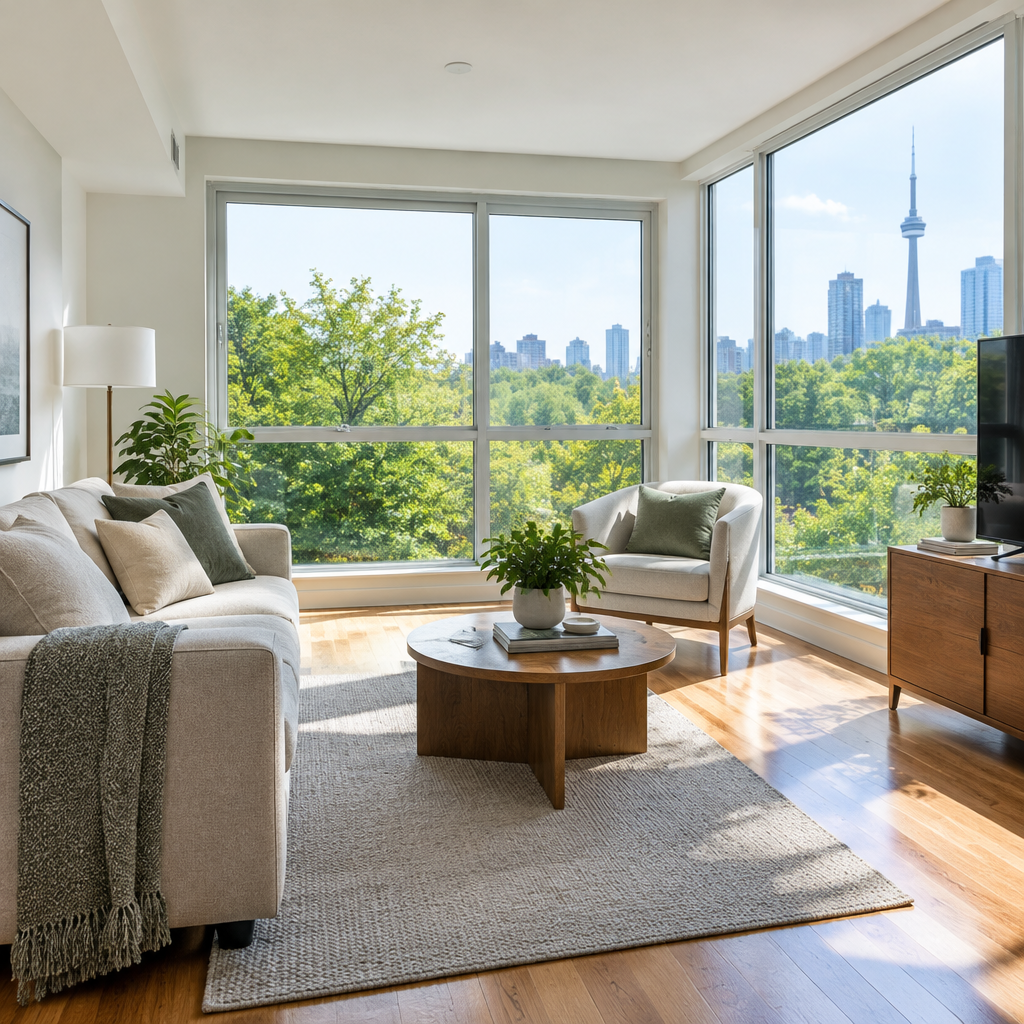
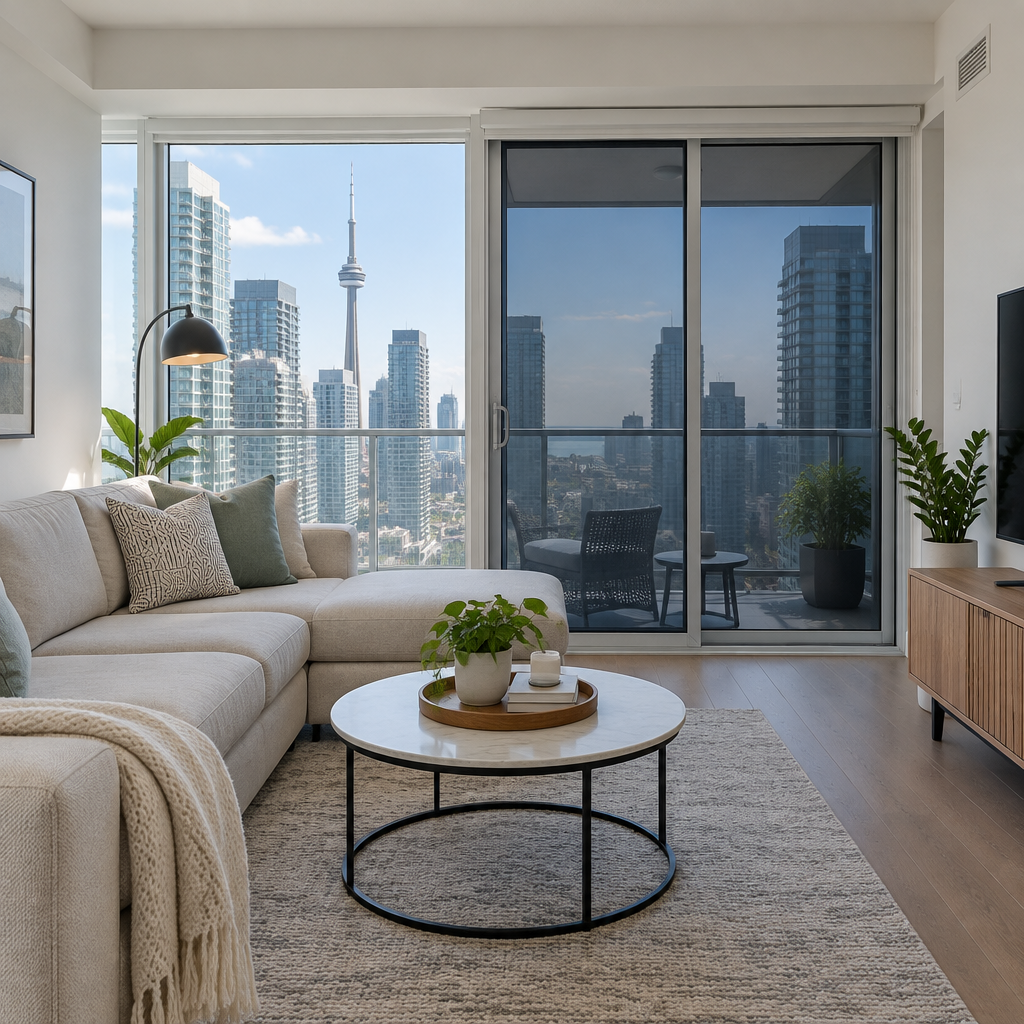
At home the problem is usually one of three things. Rooms behind west or south glass overheat in the afternoon. Screens and televisions wash out. Or the street can see straight in.
Solar film handles the heat and glare, and it is chosen against the glazing, not off a shelf, because sealed units and coated glass have limits. Frost handles privacy and replaces the curtain, at $7 to $10 per square foot expressed and installed. UV protection is what stops floors, art and furniture from fading.
Commercial: comfort, privacy, safety
Commercial work is usually about the space, not the view. Frost on partition glass so meetings are private. Solar film on perimeter glass so the west side of the floor stops being 27 degrees every afternoon. Security film on entry and storefront glass so a break in attempt is a noise instead of an entry.
We install evenings and weekends so no part of the business closes, and because film is removable without damaging glass, it is a reasonable answer for leased space.
The rules, plainly
Ontario sets no tint percentage for car side windows. What it requires is that the driver and passenger are visible to an officer. In practice the two rear doors and the rear glass can go as dark as you like, 5% if you want, with both side mirrors kept. The two front doors are where you should stop around 35%, and the windshield stays clear. Nothing about that applies to home or office glass, which is not regulated.
Why one specialist beats three
Film is all we do. We are not a detailing shop that adds tint, or a glass company that resells it. That matters in the details that decide whether film lasts: shrinking rear glass, prepping coated units, sealing bathroom edges, and knowing when a customer's glass cannot take a particular film at all.
Mentioned above: ceramic car tinting in Toronto, residential window film, and commercial window film.
Quote from photos
Send a photo of the glass, or your car's make, model and year, and we will price it the same day.