Window tinting in Toronto covers three different jobs that happen to use the same material. A car, a living room and an office each need a different film, a different approach and a different price.
This is the short version of all three, with the numbers, so you can decide which one you actually need.
Cars: ceramic, at any shade
Automotive film is the simplest of the three. We install ceramic only, because it is the only film that rejects infrared heat without metal, blocks over 99% of UV, and still looks new after ten summers.
Two front windows: $99. Sedan or coupe, all around: $179. SUV: $199. Van: $239. Installed, out the door, any shade you choose.
A full car takes two to three hours, and the windows stay up for three to five days while the film cures under the glass.
What you get: a cabin that stops baking, glare that stops washing out the windscreen at 4pm in October, and seats and dashboard that do not crack.
Homes: heat, UV and privacy
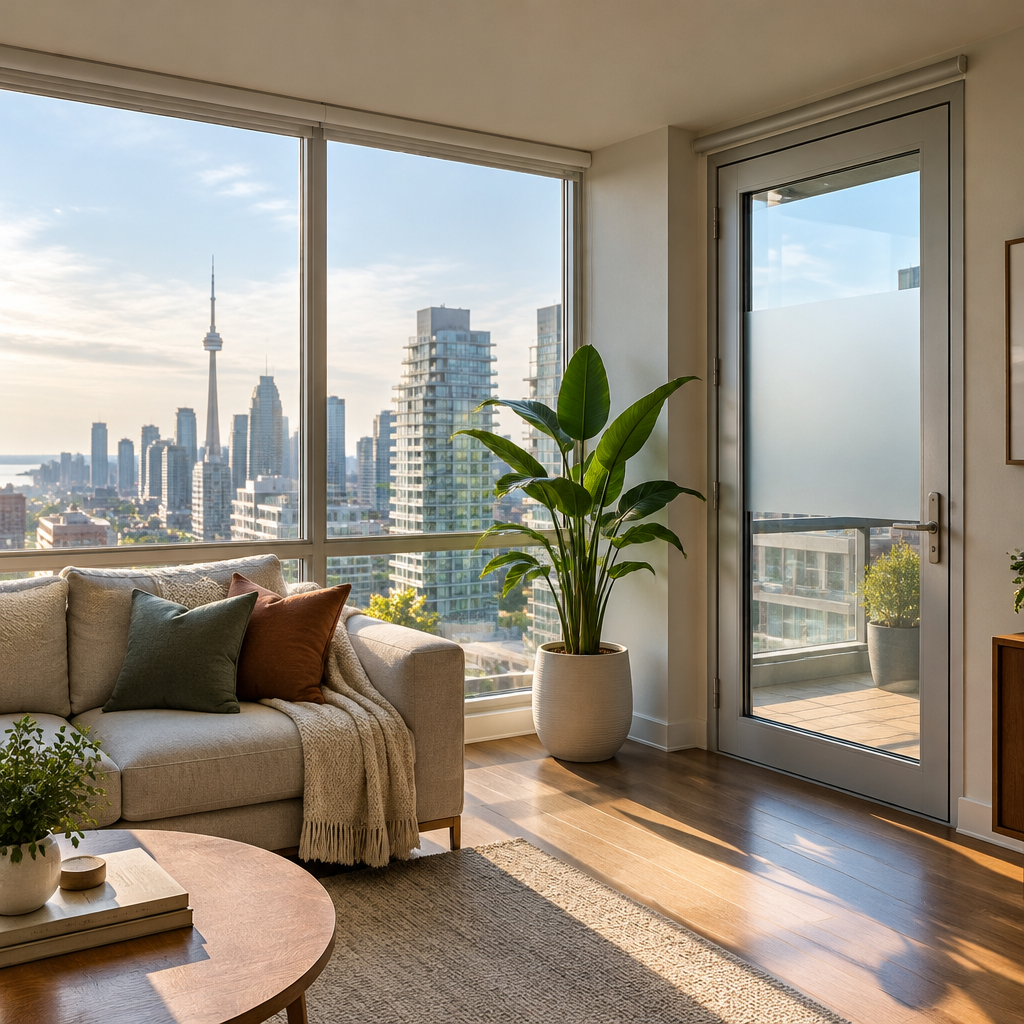
Residential film is priced by the square foot of glass. Privacy and frosted film runs $7 to $10 per square foot, and solar and low-e film sits in a similar band depending on the spec.
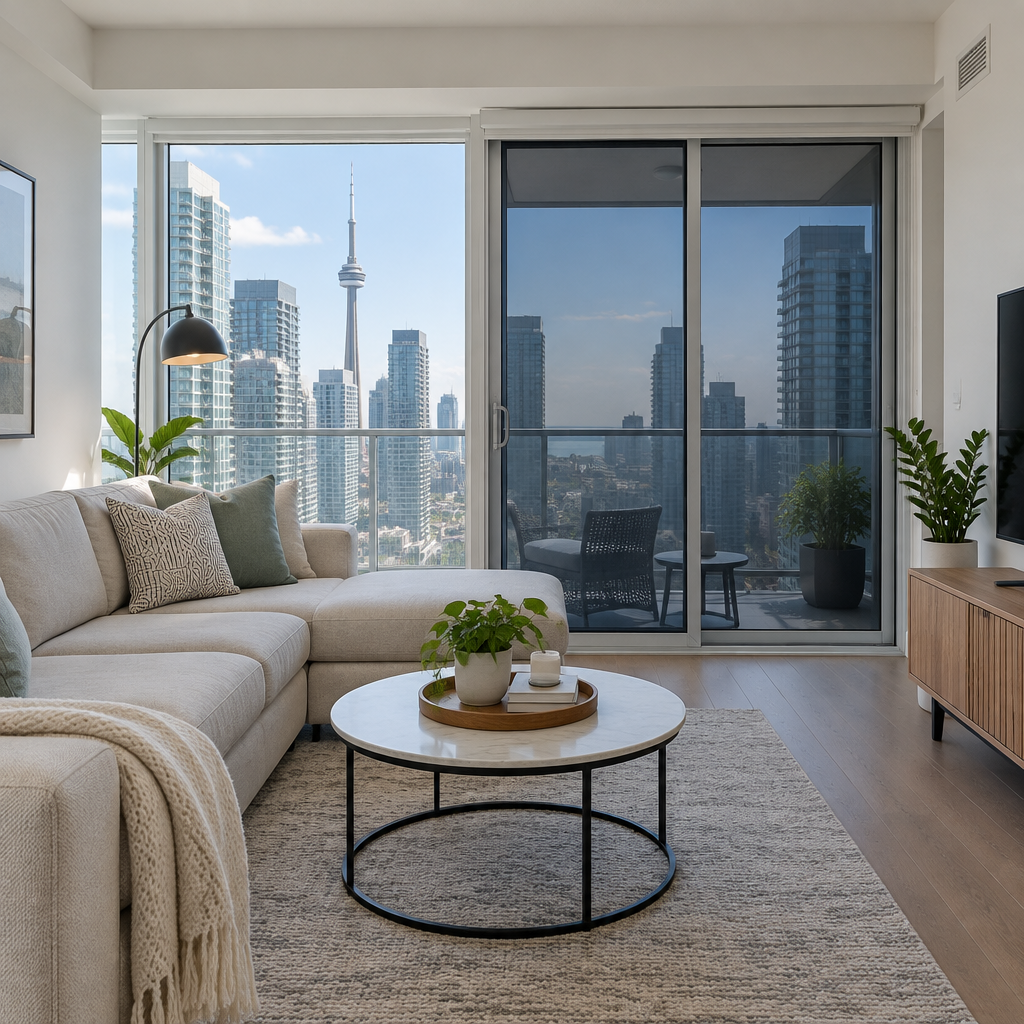
Solar or ceramic film on west and south facing glass drops the heat in the room that runs hot every afternoon. Low-e film is the winter product, reflecting interior heat back inside instead of letting the glass pull it out.
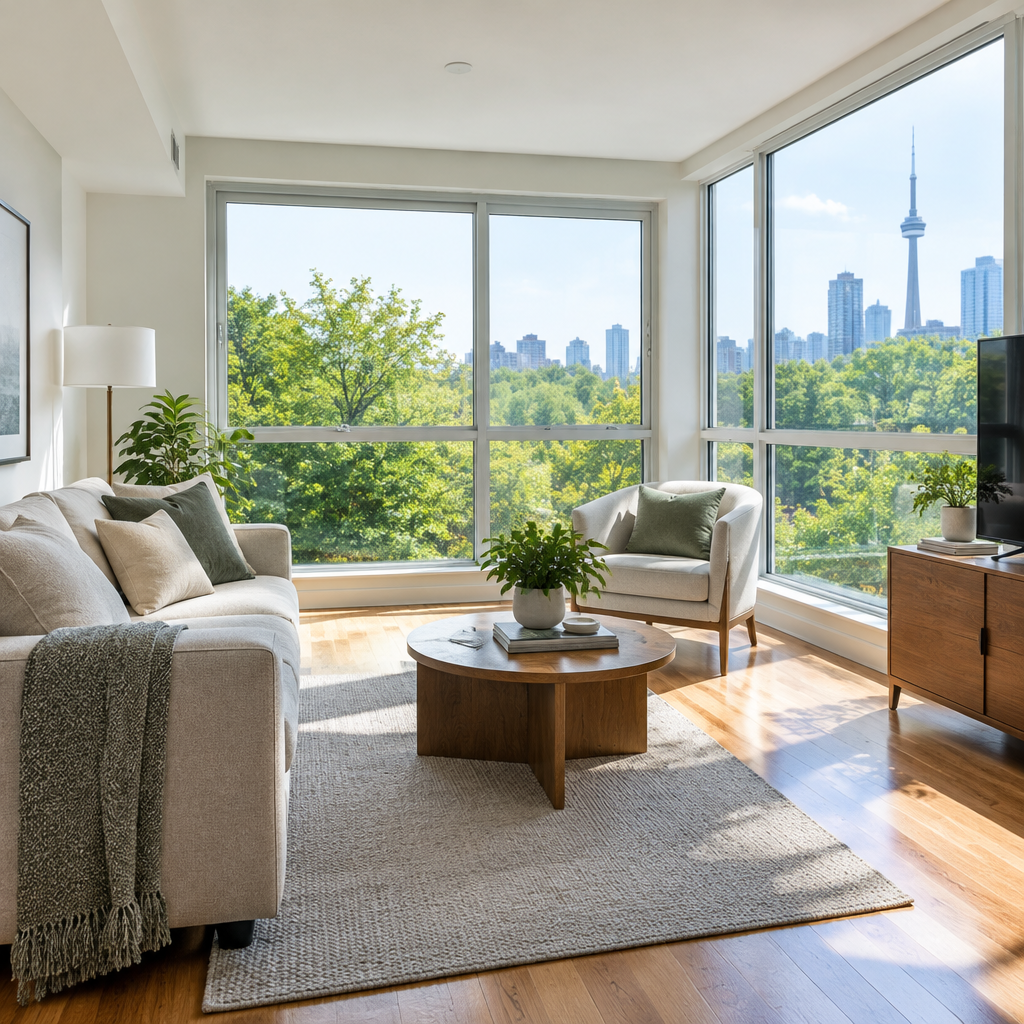
UV film blocks over 99% of UV in a clear finish, which is what stops hardwood going grey and upholstery fading on the sunny side of the room.
Frost solves the bathroom window, the front door sidelight and the condo bedroom that faces the tower next door.
Most homes need two of those four, not all of them. A west facing living room and one privacy window is a typical job.
Offices and storefronts: comfort and privacy
Commercial work splits into three needs. Solar film for the perimeter that bakes all afternoon, frost for boardrooms and treatment rooms, and security film for street level glass.
Frost and privacy film is $7 to $10 per square foot. Solar and security film is quoted per project, because glass type and access move the labour more than the area does.
Installs happen after hours, before opening or on a weekend. A boardroom is an evening. A floor of perimeter glass runs two to four nights, and nobody loses a working day.
Why a specialist, not a generalist
Plenty of shops tint cars. Plenty of sign companies will put film on a storefront. Very few do all three properly, and almost none will tell you when film is the wrong answer.
Film is the only thing we do. No detailing, no paint protection, no window sales. That is the entire reason we can tell you that a failed sealed unit needs a glazier, or that a north facing room does not need solar film at all.
It also means the film we carry is specified for the job rather than whatever was on the shelf that month.
The questions we ask before quoting
- Car: make, model, year, and whether there is old film to remove.
- Home: photos of the glass, rough measurements, and which rooms have the problem.
- Office: photos of each glass area, the floor, and whether the goal is heat, privacy or security.
With those, most quotes come back firm without a site visit. When a visit is needed, it is free.
What the Ontario rules actually say
For cars: Ontario sets no tint percentage. What the Highway Traffic Act requires is that the driver stays visible to a police officer from outside the vehicle.
In practice, the two rear doors and the rear glass can go as dark as 5%, the front doors have to keep the driver clearly visible with 35% installed up front, and the windshield stays clear. 35% is what we recommend for the front doors, not a number the province wrote into law.
For buildings, Ontario does not regulate film on glass. What applies instead is building rules: exit signs and egress paths stay visible, and a condo corporation can restrict film that changes how the tower looks from outside.
Where we work
Our shop is in North York and we cover the GTA: Toronto, Scarborough, Etobicoke, East York, North York, Vaughan, Markham, Richmond Hill, Mississauga and Brampton.
Cars come to us. Homes and offices we come to you.
Frequently asked questions
Do you install dyed film if I ask?
No. It fades, it bubbles at the defroster lines and it does nothing for heat. We would rather lose the job than install something we would have to replace.
How long does film last?
Ten years or more for ceramic on glass, indoors or in a car, when it is installed properly and cared for with a soft cloth and a normal cleaner.
Can film be removed?
Yes, on cars and on buildings. It takes steam and patience, and the glass underneath is unchanged.
Do you offer smart or switchable film?
No, never. It fails in real Toronto conditions and we will not install something we cannot stand behind.
If you want a straight answer and a firm number, call 437-331-5379 or send photos through our contact page. You can start with automotive window tinting, residential window tinting or commercial window tinting, check the price list, or see the shades before you choose on our tint simulator.
Cars, homes, offices
Ceramic from $99 for front windows. Home and office film from $7 to $10 per square foot.