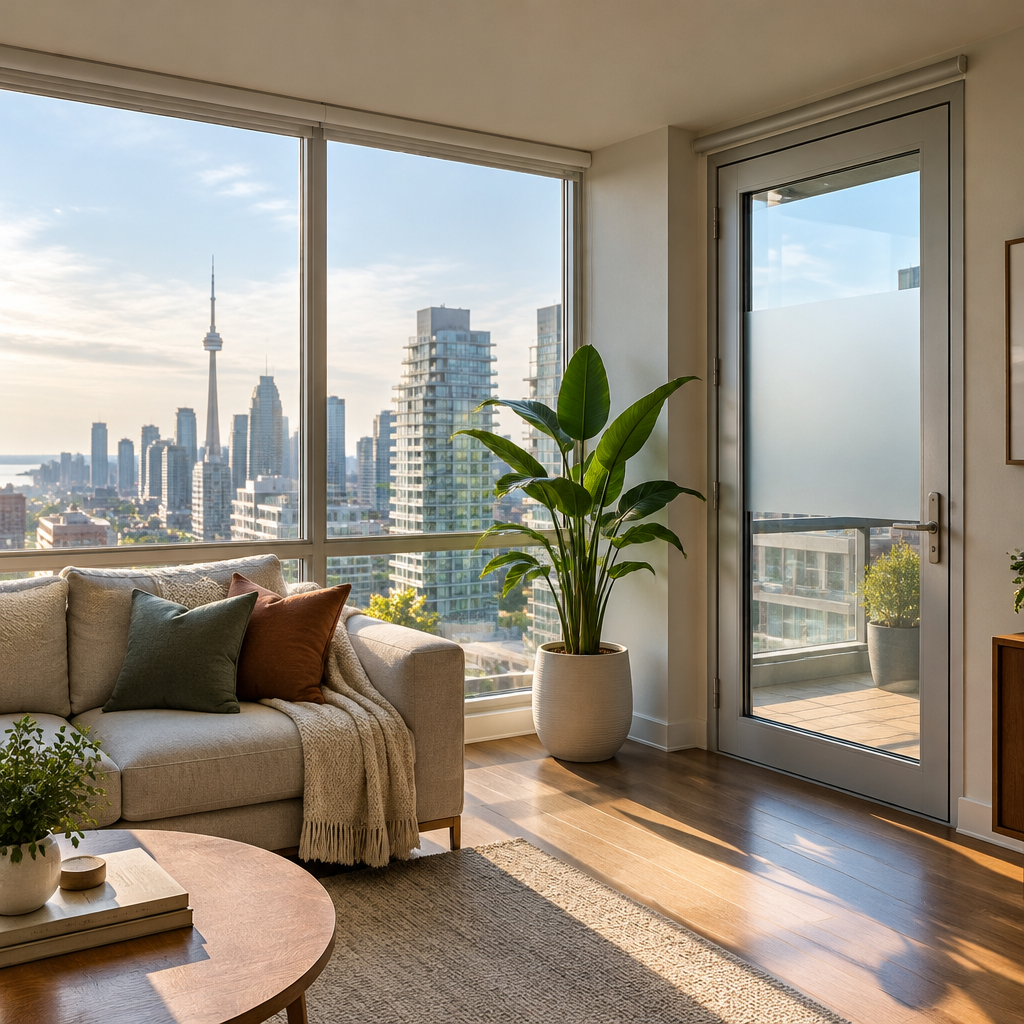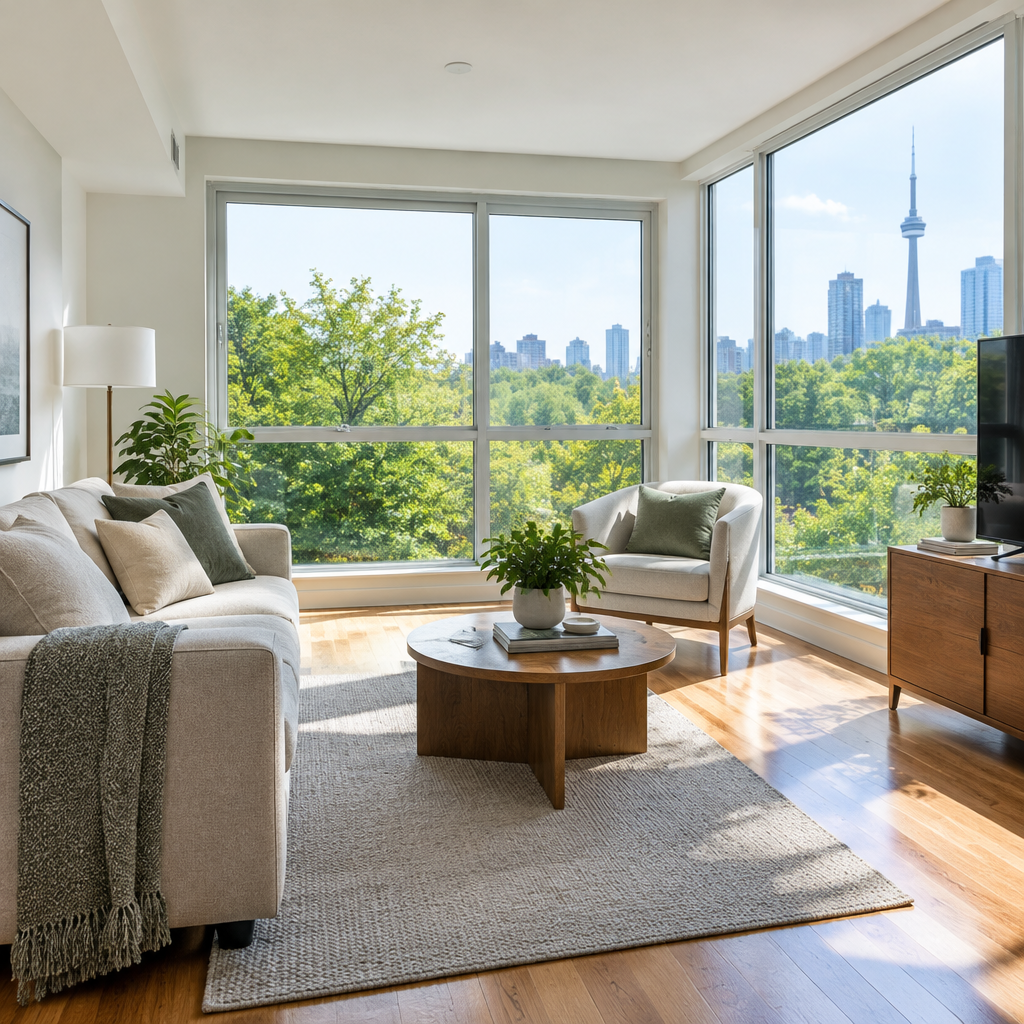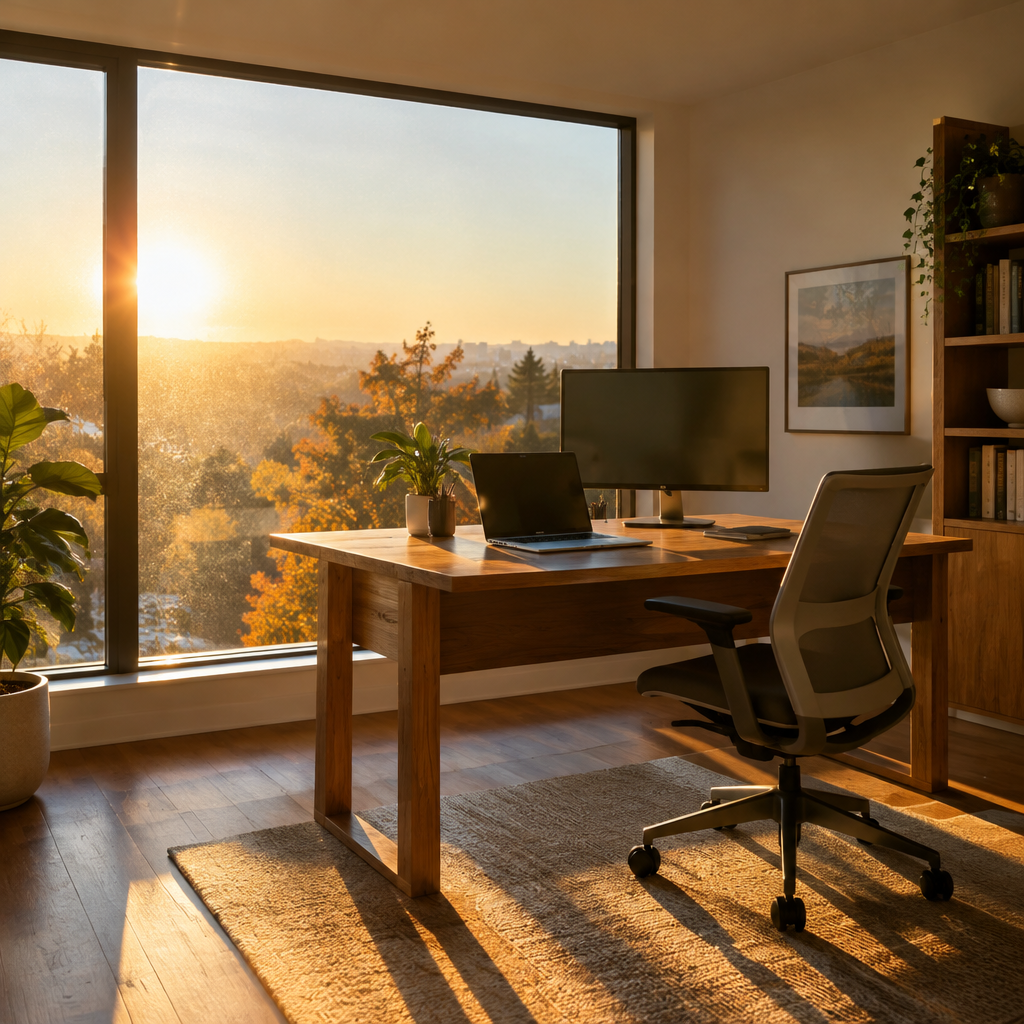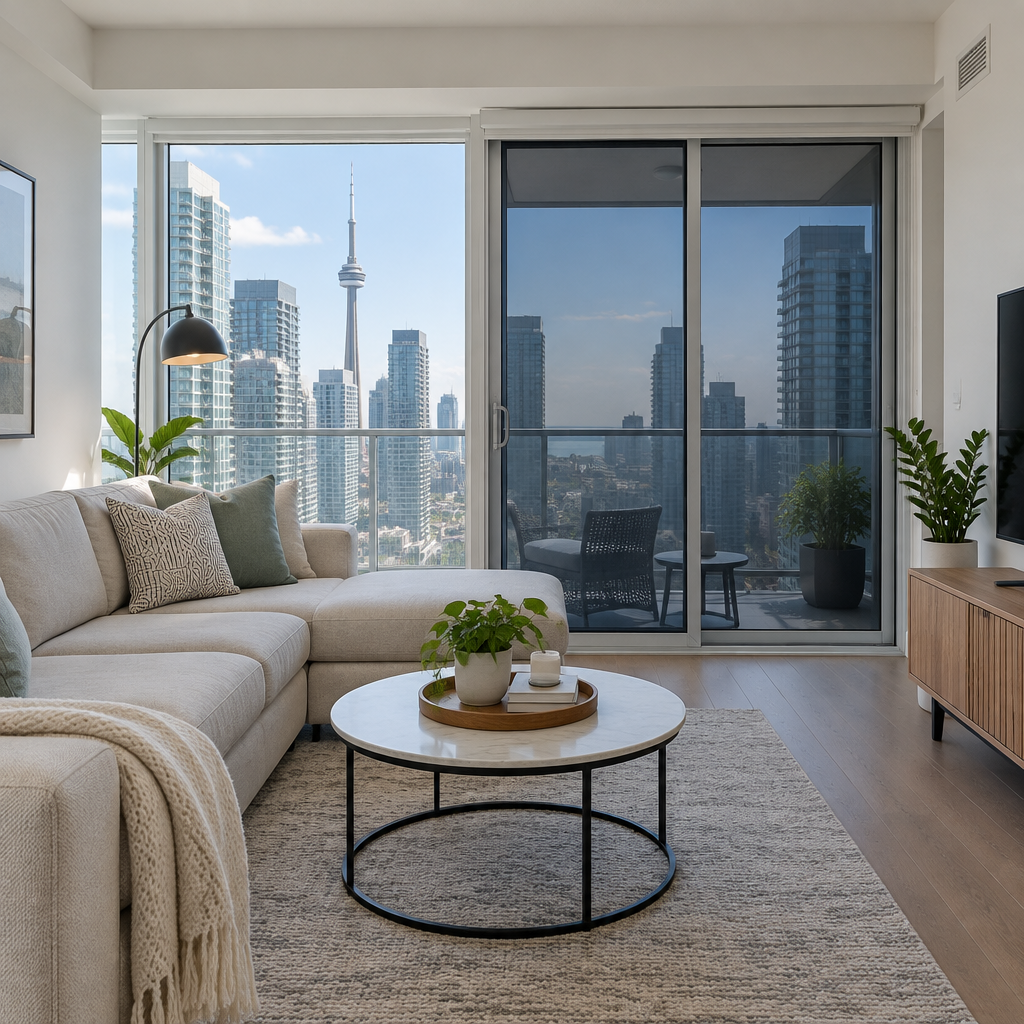
The worst sun damage in a Toronto home usually happens on a February afternoon, not in July. Low winter sun comes through the glass almost horizontally and lands on the same two square metres of floor for hours.
UV protection window film is the cheapest way to stop that damage. Here is what it blocks, what it saves and what it costs.
What UV does indoors
Standard window glass filters UVB, the kind that burns skin. It passes most UVA, the kind that goes deeper into whatever it hits. UVA is what fades hardwood, bleaches upholstery, cracks leather and turns art prints into pale rectangles.
It reaches people too. A window seat in direct afternoon sun delivers a real dose of UVA, which is why your left arm tans faster in the car and why dermatologists bring up window glass at all.
How much film blocks
Quality window film blocks over 99% of UV across the range that matters. That is true of clear UV film as well as tinted solar film. You do not have to darken a room to protect what is in it.
Modern film holds that performance for a decade or more. Cheap dyed film loses it as the pigment breaks down.
Three ways to do it
Clear UV film. Invisible, blocks over 99% of UV and roughly 40% of the heat. It is what we install when someone wants protection without changing how the house looks.
Solar film. Adds visible heat rejection on top of UV, in a light tint that most neighbours will not notice.
Ceramic solar film. The strongest heat rejection without extra darkness, and the finish that stays optically clean rather than hazing at low sun angles.
If the room already has a privacy frost on it, UV is covered in the same visit. Frosted and privacy film runs $7 to $10 per square foot and blocks UV at the same time.
What it protects, in order of real cost
- Hardwood and engineered floors. A west facing living room without film goes grey and then amber in about four summers. Refinishing one room starts in the thousands.
- Furniture and leather. Upholstery fades unevenly, always worst on the side facing the glass. A leather sofa can be $4,000 to replace.
- Art and photographs. Once paper and pigment fade, nothing brings them back. A framed canvas near a window is a losing bet without film.
- Skin. The hardest one to price. UVA photoaging happens slowly and quietly, and a home office beside a window means daily exposure.
Toronto glass is a hard case, in both seasons
Summer sun is high and brutal on the west and south sides of a house. In November the sun drops to eye level and pours in under every blind you own, which is the exposure nobody thinks about.
Snow makes it worse. A fresh snowpack bounces sunlight back up through the glass at an angle that doubles the dose on anything low to the ground, including pets.
Tower units sit behind floor to ceiling glazing with almost no eaves, so the sun arrives uninterrupted from morning to evening.
What it costs
Residential film is priced by the square foot of glass. Privacy and frosted film runs $7 to $10 per square foot, and sun control film sits in a similar range while security film is quoted per project.
A typical Toronto home with six to ten windows is a one day job. Condo units are usually faster because the panels are uniform.
Compare that against a single refinishing job or one reupholstered sofa and the arithmetic stops being close.
What the rules allow
Ontario does not regulate film on the glass of a home. Two practical limits do exist. In a condo, the corporation can restrict film that changes how the building looks from outside, so check before ordering anything tinted rather than clear.
And on a car, the rules are specific: the rear doors and rear glass can go to 5%, the front doors have to keep the driver clearly visible with 35% installed up front, and the windshield stays clear. For home glass, what is legal is simply what your building permits.
How the install goes
We move what is in front of the glass, clean the pane, cut the film slightly oversize and squeegee it down. Furniture goes back the same day.
Panes look slightly cloudy for three to five days while the water underneath cures. After that, clear film is invisible.
Frequently asked questions
Does clear UV film darken my windows?
No. Clear UV film reads the same as bare glass from a metre away. It only becomes visible at a sharp angle.
Do blinds and curtains do the same job?
Only when they are closed, which is not when you want the light. The damage happens on the afternoons you have the blinds open for a reason.
Will film on the glass crack it from heat?
Not on standard residential glass when the right film is specified for the pane. On certain sealed units it can, which is why we look at the glass first.
Can I do one room at a time?
Yes, and most people start with the west facing room. The rest of the house stays the same until you decide.
If you want the flooring and the furniture to survive another decade, call 437-331-5379 or send photos of the glass through our contact page. We install UV protection window film and heat and sun control film across Toronto, and you can start with residential window tinting for home pricing. If you are in a tower, condo window film rules in Toronto covers what your board will and will not approve.
UV protection
Over 99% of UV off your floors and your skin, in film you cannot see from a metre away.